











Many growing SMEs reach a point where sales numbers look healthy, but internally, the sales process feels chaotic. Deals are closing, the team is busy, yet the business owner remains stuck in daily follow-ups, status calls, and manual reviews. This is usually the stage where spreadsheets, WhatsApp messages, and memory-based tracking stop working. In this case study, we share how a structured Odoo CRM implementation helped a growing SME increase sales, reduce owner dependency, and regain complete control of its sales pipeline without micromanagement.
Common situations we hear during an Odoo CRM implementation/demo include
• I don’t know which deals are really active
• My team is working, but I still need to push them daily
• Reports come late and I don’t trust them fully
This case study is about one such growing SME that wanted sales growth without stress and control without micromanagement.
The Client Situation
The client was a growing SME with a turnover between 10 to 25 crore(Indian Rupee). They had a sales team of 8 people handling leads from multiple sources.
Before reaching out to us for an Odoo CRM implementation, their sales tracking depended on
• Excel sheets maintained by individuals
• WhatsApp messages for follow ups
• Calls for status updates
• Manual reporting before review meetings
As long as the business was small, this worked. Once sales volume increased, cracks started showing.
Key Challenges Before Odoo CRM
Sales Growth Depended on Micromanagement
Sales numbers were closely linked to how actively the owner followed up with the team.
Problems included
• Daily calls to check deal status
• Sales meetings focused on explanations instead of planning
• No visibility without asking people
• Owner spending more time on tracking than strategy
During the initial Odoo CRM demo, this was one of the biggest pain points highlighted.
No Real Time Sales Visibility
There was no single place to view the complete sales pipeline.
The management could not easily see
• Which opportunities were hot
• Which deals were stuck
• Which salesperson needed support
• What revenue was realistically expected
Every answer required phone calls or manual checks.
Missed Follow-Ups and Silent Deal Loss
Follow ups were tracked manually, which led to revenue leakage.
This resulted in
• Missed follow ups
• Delayed responses to customers
• Deals lost without anyone noticing
• No alerts for inactive opportunities
This issue came up clearly when we walked them through a live Odoo CRM demo using their own sales scenarios.
Delayed and Inaccurate Reporting
Sales reports were prepared manually at the end of the week or month.
Reporting challenges included
• Time wasted in data collection
• Different formats from different people
• Numbers changing after discussions
• Decisions based on assumptions
Why They Did Not Choose Expensive CRMs
Like many SMEs, the client explored popular CRM tools before finalizing Odoo.
Their concerns were
• High recurring license costs
• Paying per user even for basic access
• Complex workflows not matching their process
• Long learning curve for the sales team
• Difficulty in seeing quick ROI
They wanted a solution that made sense practically, not just on paper.
Why Odoo CRM Was the Right Fit
After multiple discussions and an Odoo CRM demo tailored to their business, the decision became clear.
Odoo CRM offered
• Simple and flexible sales pipeline
• Clear lead and opportunity tracking
• Automation without overcomplication
• Control without heavy recurring costs
• Ability to scale as the business grows
The client could see how Odoo CRM would fit into their daily operations, not disrupt them.
Implementation Scope and Approach
The focus was on building a system the sales team would actually use.
Key areas covered were
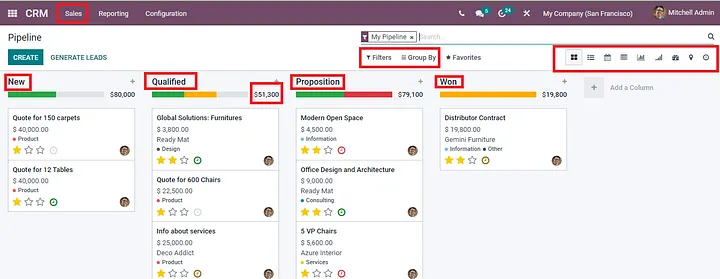
Sales Pipeline Structuring
- Opportunity stages aligned with the real sales process
- Clear visibility of deal movement
- No unnecessary stages or complexity
Lead and Opportunity Ownership
- Each lead assigned to a specific salesperson
- Clear responsibility at every stage
- Reduced dependency on manual follow ups
Watch – How Odoo CRM Can Help Increase Sales
Automated Follow Up Reminders
- System based reminders for calls and meetings
- No missed follow ups
- Better response time to customers
This feature alone made a strong impact during the Odoo CRM implementation phase.
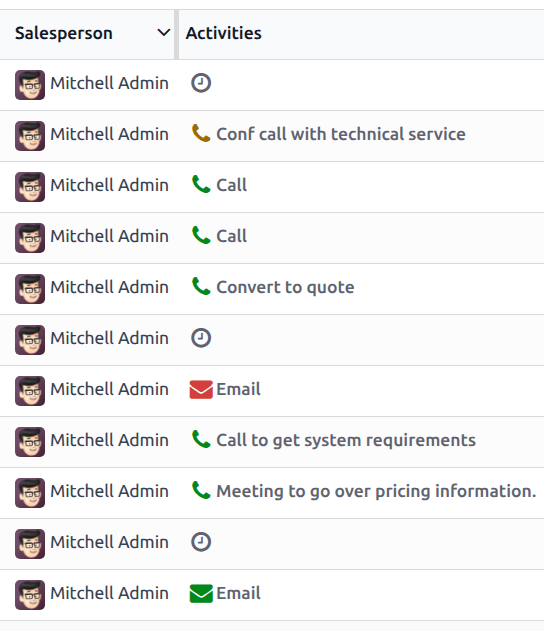
Activity Tracking
- Calls, meetings, and emails logged inside the CRM
- Transparent effort visibility
- No need for constant status checks
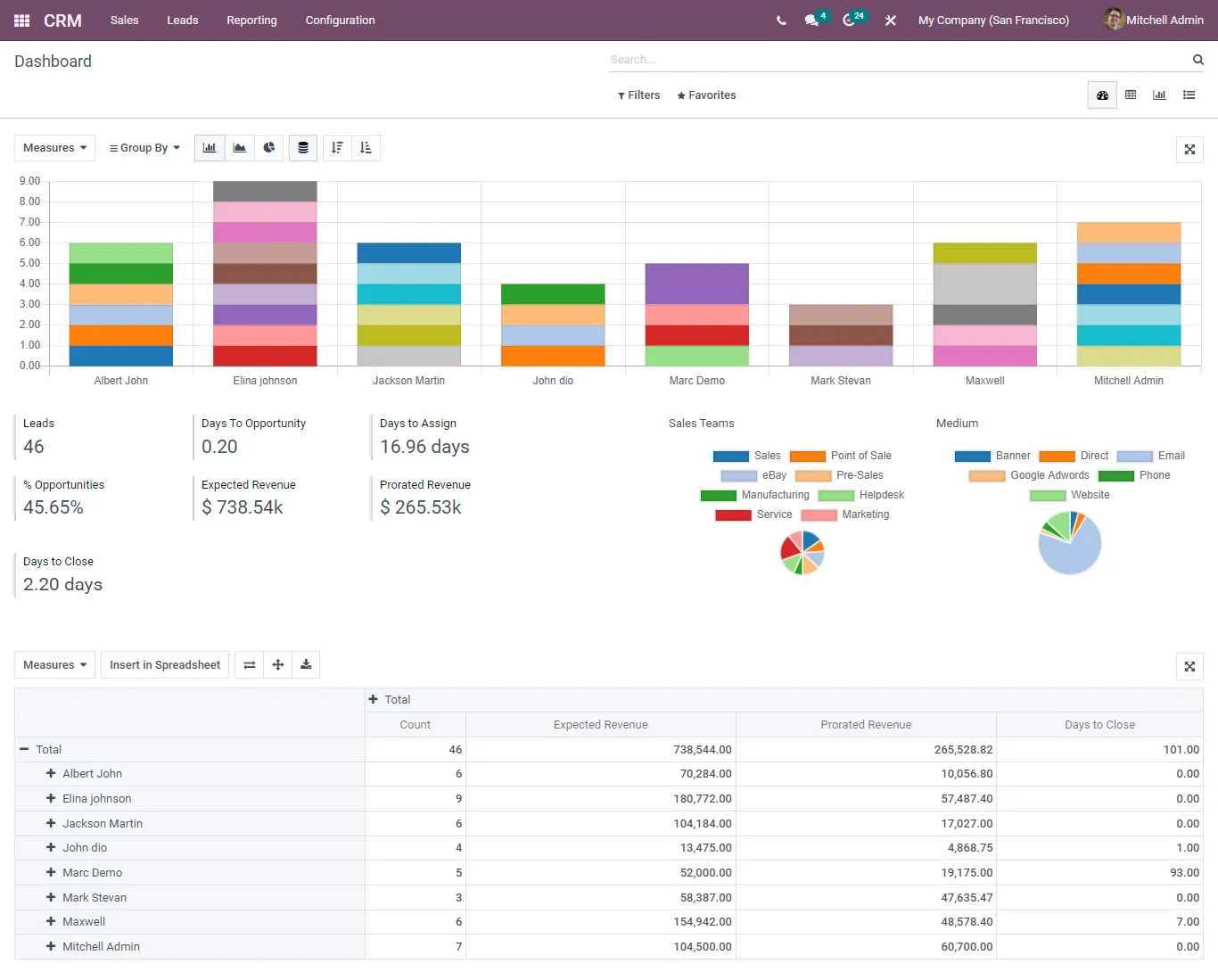
Sales Dashboard and Forecasting
- Real time pipeline view for management
- Stage wise revenue visibility
- Individual and team performance tracking
- Practical sales forecasting
Life After Odoo CRM
Reduced Micromanagement
- Owner stopped daily follow up calls
- Sales review meetings became shorter
- Focus shifted to strategy and growth
Improved Sales Accountability
- Sales team managed their own pipelines
- Follow ups happened on time
- Accountability became system driven
Stronger Sales Discipline
- Deals moved through defined stages
- Inactive opportunities flagged early
- Consistent sales process across the team
Measurable Business Outcomes
Within six months of implementing Odoo CRM, the client observed
- Sales growth of around 25 to 30 percent
- Significant reduction in missed follow ups
- Faster deal closures due to timely actions
- Reporting time reduced from hours to minutes
- Reduced dependency on the owner for sales control
These were outcomes the client had expected when they first asked for an Odoo CRM demo.
Cost Versus Value Perspective
The total investment for Odoo CRM implementation was around INR 180000
When compared against
• Deals lost due to poor follow up
• Time spent on manual reporting
• Owner stress and burnout
• Unpredictable sales outcomes
The value clearly outweighed the cost within a few months.
Key Learning for SMEs
CRM is not about watching people closely.
CRM is about making the sales process visible and reliable.
With the right CRM in place
• Sales data becomes transparent
• Accountability improves naturally
• Decisions are based on real numbers
• Growth becomes predictable
This is something we clearly demonstrate during every Odoo CRM demo.
Conclusion
This case study shows that SMEs do not need complex or expensive tools to improve sales control. What they need is –
• Clear sales structure
• Real time visibility
• Timely follow ups
• Practical reporting
Odoo CRM delivered all of this while staying aligned with the realities of a growing SME. If your sales growth depends on daily monitoring and manual tracking, it may be time to look at a better system.
Book an Odoo CRM demo with our team and see how you can increase sales without micromanagement and regain control over your sales process.